Nova Scotia condemns Supreme Court ruling on minimum child pornography sentences
Posted Nov 1, 2025 05:00:20 PM.
Last Updated Nov 2, 2025 11:04:54 AM.
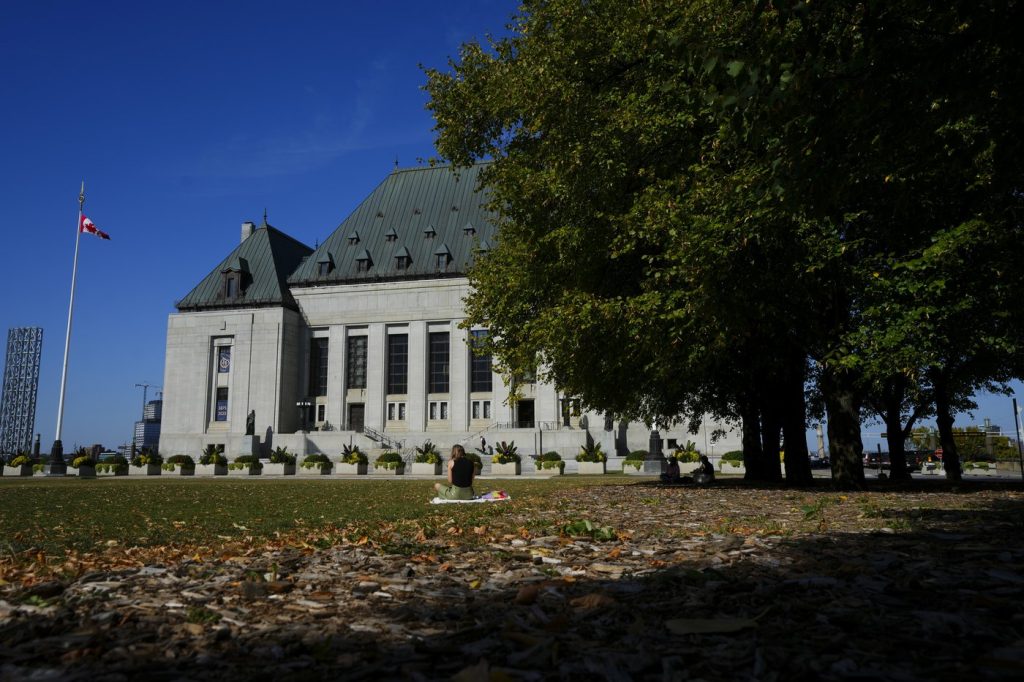
The Government of Nova Scotia says it does not support the Supreme Court’s ruling on minimum child pornography sentences. The top federal court ruled one-year mandatory minimum jail sentences for accessing or possessing child pornography are unconstitutional.
In a statement, Nova Scotia Attorney General and Minister of Justice Scott Armstrong said the ruling is “deeply troubling”.
“Nova Scotians should be able to expect that sentences for those who commit horrible crimes will protect the public, and not leave victims feeling more vulnerable,” he said.
Child pornography cases are of increasing concern for law enforcement across Canada, with Statistics Canada reporting increased access to the internet has come with increased concerns for the safety of individuals.
Between 2014 and 2022, there were 15,630 incidences of online sexual offences against children and 45,816 incidents of online child pornography reported by police in Canada.
While a majority of the top court said a mandatory minimum sentence does not necessarily violate the Charter protection against cruel or unusual treatment or punishment, when the application is broad and covers a wide range of circumstances, the sentence is constitutionally vulnerable.
The court says it leaves no choice but to impose a grossly disproportionate sentence on certain offenders.
In deciding the appeal, the Supreme Court examined a scenario in which an 18-year-old receives an explicit photo of their friend’s 17-year-old girlfriend.
The recipient keeps the image on his cellphone and looks at the photo briefly, knowing that it constitutes child pornography.
In the age of digital communication, “it is not far-fetched” that an 18-year-old might receive from a friend an image corresponding to the definition of child pornography, Justice Mary Moreau wrote. Yet the majority said implementing a one-year jail sentence in this case would not be a fit punishment.
Minister Armstrong, however, pointed to the deliberate victimizations of underage children.
“Child pornography offences are not abstract or victimless,” he said. “As a former school principal, I have seen first-hand the devastating harm that sexual exploitation of children can cause. These crimes cause deep and lasting harm to individuals, families, and communities both here at home and around the world. It can destroy lives, and in the most tragic cases, it leads to devastating consequences.”
He said he will be sharing Nova Scotia’s concerns with federal Justice Minister Sean Fraser and urging the federal government to take action to protect the most vulnerable — namely children and youth.
But the ruling does not eliminate the potential for any legal action.
Moreau said while there is no single formula for doing so, Parliament could limit the scope of mandatory minimum sentences to certain conduct, or allow judges to exempt outliers for whom the mandatory minimum would amount to cruel and unusual punishment.
– with files from Jim Bronskill, The Canadian Press