Sable Island public presentation to highlight park’s history and wonders
Posted Nov 25, 2015 08:19:16 AM.
This article is more than 5 years old.
If you’ve ever seen one of the famous horses of Sable Island, chances are it was through your television screen.
Despite being located in Nova Scotia, the remote sand dunes remain a place many haven’t been able to visit.
Since becoming a national park, occasional expeditions now bring tourists there, but it remains expensive and difficult to reach.
Long-time resident and naturalist Zoe Lucas told NEWS 95.7, anyone can go as long as they get permission from Parks Canada.
And although tour groups are now coming to the ecologically sensitive area, there hasn’t been an increase in the total number of visitors.
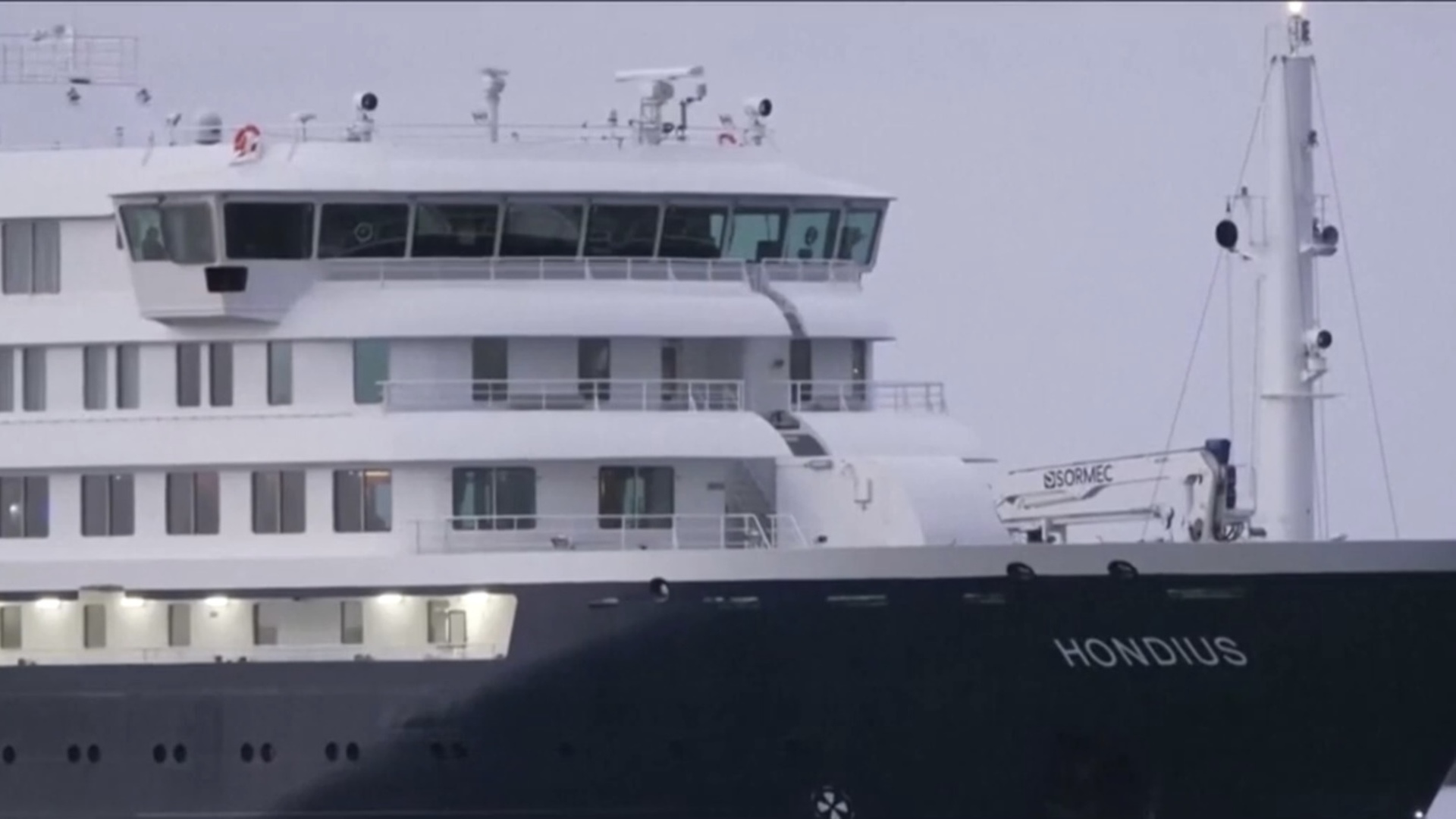
“We’ve had a couple of visits, both in 2014 and this year of expedition vessels that would have been carrying 100-plus people and they came ashore,” she explained. “But Parks Canada was very careful to map out a route for people to walk, where they would have no impact on vegetation.”
She said Parks Canada has put a lot of effort into maximizing visitor experience while minimizing the human impact.
All tourists are escorted by a guide and are subject to restrictions such as not being able to bring food on the island, which means no litter is generated.
The island’s unique wildlife is one of the biggest draws for visitors, not only is there a great diversity of whale species in the waters around Sable, it’s also where you’ll find the largest breeding colony of grey seals, with about 50,000 pups born there each year.
However, the wild horses remain the location’s most famous feature, which are now protected after a letter writing campaign in the 1960s.
“Since then, they’ve been protected by any kind of interference, any invasive activities, and no horses can be taken from the island or removed from the island,” Lucas said.
Around 500 of them remain there now, the descendants of animals purposely placed there in the 1700s.
“This was done on offshore islands along the east coast of North America,” she explained. “You have an island where there are no predators, you don’t need fences and you can just take livestock like sheep, cattle, and horses, let them graze, reproduce, then harvest them later on.”
She said the sheep didn’t fare well and the cattle were removed, but the horse population has overall been trending up.
And while there are certainly more horses than people on Sable Island, Lucas added it isn’t just her and the wildlife living there.
Parks Canada has two staff members stationed at that location and researchers show up for short stints, but at one time families populated the area.
They would have moved there with those who got jobs at the life-saving stations, established as an attempt to minimize the loss of life and cargo from the frequent shipwrecks that occur in the area.
“There was quite a community of people, but they were all associated with manning the lifeboats,” she explained. “They were also managing farms and gardening because the life-saving personnel were responsible for producing some of their own supplies.”
She said people were born and died on the island, and it had enough children to establish a small schoolhouse.
Parks Canada senior archaeologist Charles A. Burke will be presenting the first-ever archaeological survey of human artifacts on Sable Island tonight as part of a public presentation on Sable Island at the Theatre Auditorium of Saint Mary’s University’s McNally Building.
Zoe Lucas will also be take part, along with the Nova Scotia Museum research associate Brenna McLeod Frasier and SMU biologist Timothy Frasier.