Defective air conditioning on buses wreaking havoc for transit operators
Posted Sep 1, 2025 01:36:31 PM.
Last Updated Sep 2, 2025 11:20:34 AM.
It’s no secret that temperatures are rising.
The heat waves and wildfires that characterized summer 2025 are just a glimpse into what’s to come, but as hot weather becomes more established, the impacts are trickling down into every aspect of life.
Patricio Garcia, president of ATU Local 508 representing Halifax Transit workers, joined The Todd Veinotte Show to talk about how rising temperatures are challenging transit operators. He said this has even culminated in some bus drivers being transported off buses in ambulances.
“As the temperature is getting hotter and hotter every year, air conditioning is becoming more and more of an issue,” he said.
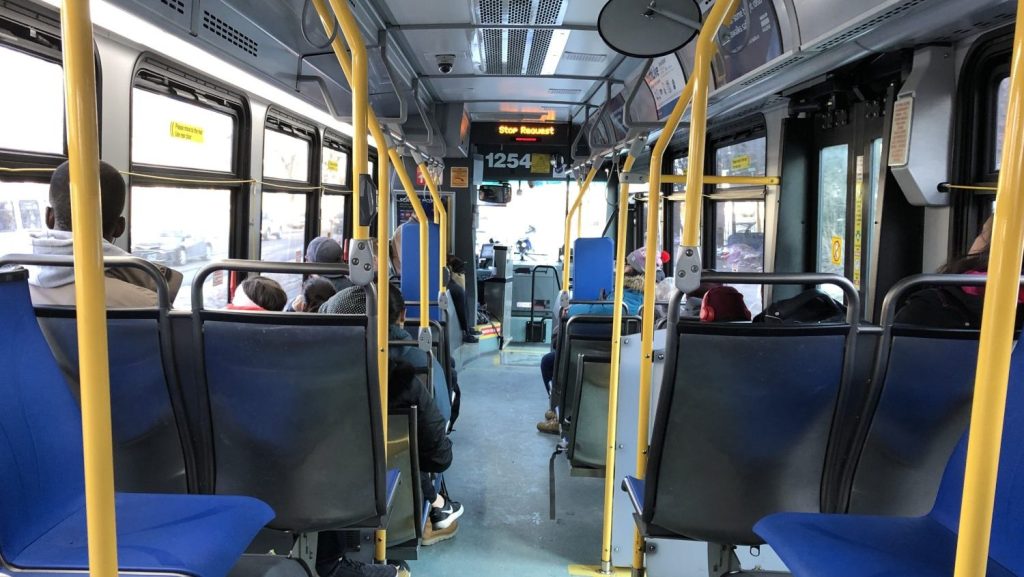
Halifax Transit buses are equipped with air conditioning units, but Garcia said so many are plagued with challenges that there is little to no reprieve on the buses.
“The older flyer buses tend to have no issues keeping up. When they’re working, they’re working well,” he said. “But these flyer buses are old and are increasingly breaking down due to wear and tear.”
The municipality also has newer NOVA buses, which include the electric fleet. The air conditioning units on these buses are repeatedly breaking down, Garcia said.
“I’d say this summer, between 50 to 60 per cent of our fleet the AC is broken,” he said.
Robert Gerus, executive director of Halifax Transit, said the transit organization recognizes the concerns and that its top priority is employee safety. He said 80 per cent of the Halifax Transit fleet has AC, but they are seeing issues every day with buses.
“They’re not happy with it, it’s not working, it’s defective,” he said, noting this is an issue that many transit authorities face at this time of year.
Work on the AC units is currently contracted outside of the transit authority. This year, work on the AC units began in January, which Gerus said is earlier than ever before. But the problems still persist.
Garcia said he hopes the transit authority can begin to bring this work in-house, which Gerus confirmed is one of his priorities. While it may take some time to transition fully, he is hoping to have most of the work done in-house by next year.
When buses do go in for maintenance and are deemed defective, Gerus said they ultimately try to take the bus out of service. However, if there is a capacity issue, the vehicle may be used for swing routes which run in the early morning or evening.
“There is a balance. Sometimes it gets to the point where operators are calling in and complaining,” Gerus said. “We do care about them and we do want to make sure we’re doing the best we can.”
Garcia said there have been instances where passengers blame the bus driver for the temperature, but he noted that drivers don’t have control over the cooling temperature; it is rather a simple on/off switch.
“Drivers don’t have control. If we did, it would be cold,” he said, noting that passengers can leave the bus but operators cannot.
Garcia said there have been cases of drivers ending up with headaches and heat exhaustion, and even those who have had to be taken off on ambulances due to heat.
Gerus said he has not been notified of any incident involving an ambulance, but can confirm 18 heat-related instances with operators this year.