Province releases 20-year blueprint for moving people and goods in HRM
Posted Aug 6, 2025 01:07:10 PM.
Last Updated Aug 19, 2025 03:50:29 PM.
Nova Scotia is releasing a first-of-its-kind plan in Atlantic Canada that will see the province detail exactly the goals it and the municipalities have for transportation.
The blueprint lays out multiple things the governments plan on doing over the next 20 years and beyond. It aims to plan specific infrastructure interventions and increase public transportation options to better the movement of goods and people, specifically through the peninsula.
It is being called the Regional Transportation Plan (RTP), and it focuses on Halifax Regional Municipality, with expansions in East Hants, West Hants, Chester and portions of Lunenburg, Kings and Colchester. The report notes that 63 per cent of Nova Scotians live in HRM and it notes that congestion through the area will only increase due to population growth.
Some of the key ideas include:
- Options for harbour crossings
- Improvements to Highway 102 between exits 0 and 4,
- Improvements to Highway 101 Connector
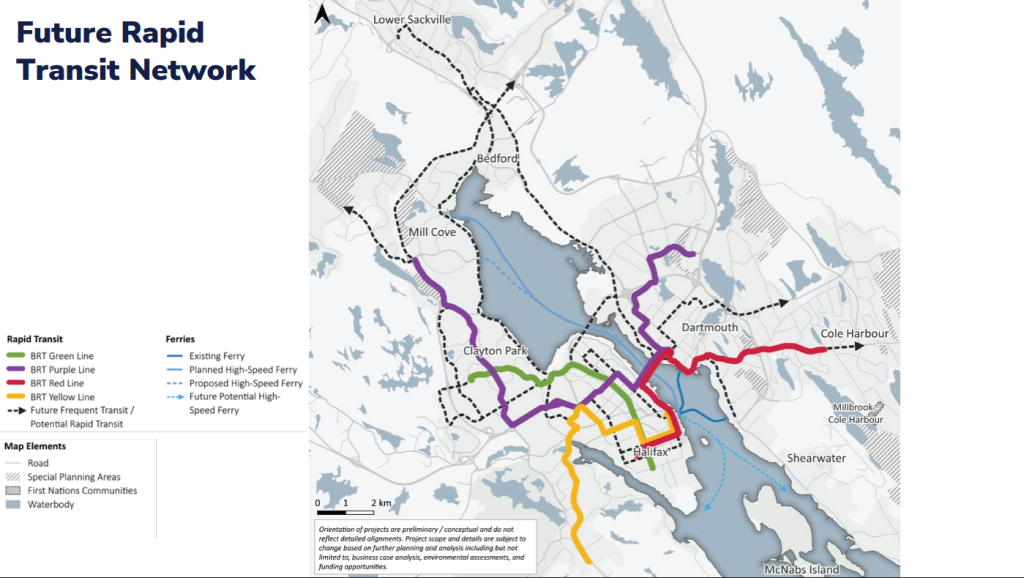
- A Rapid Transit Network
- Connecting inter-municipal transit services
- Studies on light rail transit and rail
The goal is to understand capacity on corridors, buses and bridges.
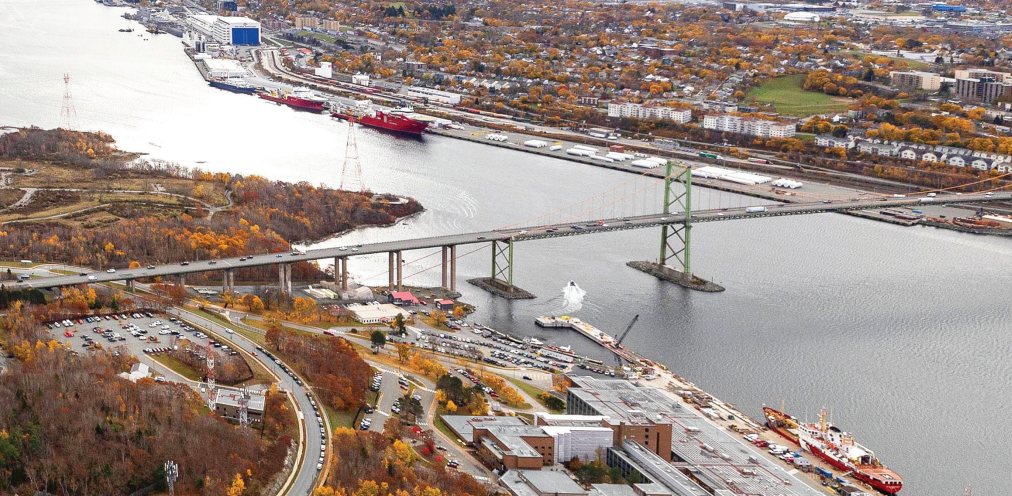
One example is the Mackay Bridge, known at some point it will need to be replaced, but whether it should be expanded or if another bridge is needed to keep up with capacity, Public Works staff said.
Bike lanes and walking in HRM
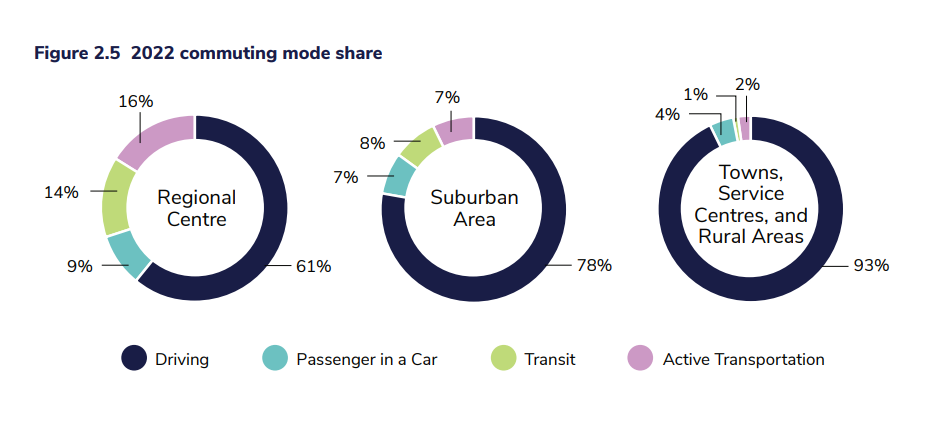
People walk and cycle in the provincial capital more than they take public transportation, according to data from the report.
It shows that in 2022, about 16 per cent of people either walked or cycled through the area, versus only 14 per cent using public transit options. The majority of people (61 per cent) still drive in HRM.
On Tuesday, Halifax councillors decided to yet again pause movement on a bike lane on Morris Street after threats from Premier Tim Houston that he would interfere with the project. Bike lanes have been a point of contention between councillors, the public, and the province, as Houston made multiple comments on how it will increase congestion.
Minister of Public Works, Fred Tilley, was pressed by members of the media about whether the new provincial plan could see more bike lanes paused in the municipality.
“We’ll work with our partners at HRM and their planning department, their traffic department to identify where those projects are and where the bottlenecks are in the street system in Halifax,” he said.
The minister noted that “we don’t have the luxury of space.”
Some bike lane projects are starting up within Halifax over the next several weeks. Tilley did not give a straight answer on whether any of those could be paused but said “we’ll work on a project by project basis.”
Short term projects
Most of the 112-paged document is about the studies the province will be conducting to better understand the best way for transportation to be implemented.
A lot of it will take place over the next several decades, meaning there won’t be a lot of congestion relief in the immediate years.
However, Tilley did detail that over the next 18 to 24 months, there are some administrative tasks the province will start to bring some solutions in the short term.
Some of those shorter-term tasks include exploring adaptive signal technology, implementing high-occupancy vehicle (HOV) lanes, creating a Macdonald Bridge corridor, and reviewing Young Street to find the “choke” points for traffic.
“It’s all about fixing traffic. It’s all about building the transportation system for the future,” Tilley said. “The goals of this plan have not changed, will not change, and it’s about moving people, goods, and products safely and efficiently through HRM.”