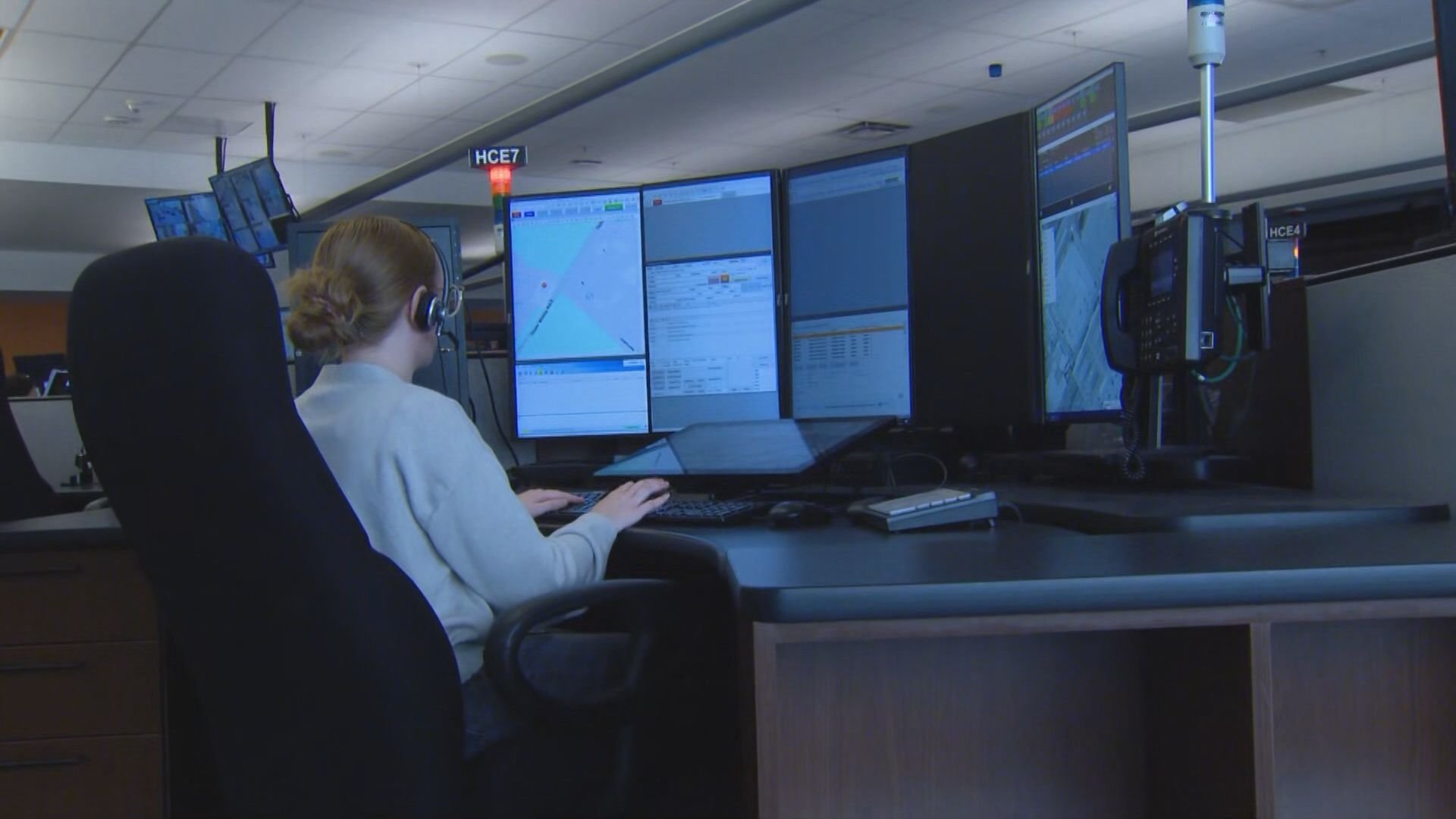
Hospital staff counting down to strike deadline
Posted Apr 12, 2012 06:48:51 AM.
This article is more than 5 years old.
Capital Health administrators are warning that more than 100 surgeries will be cancelled every day if unionized workers walk off the job on April 25.
The Nova Scotia Government and General Employees Union Local 42 represents nearly every healthcare support worker in the district, except for doctors and registereed nurses.
Conciliated talks between the union and employer have broken down and workers are counting down to a legal strike date of April 25.
If there is a strike, Capital Health officials estimate 104 daily surgeries would have to be cancelled.
Emergency surgeries would continue, however non-emergency and elective procedures would be put on a waiting list.
Capital Health Chief of Surgery Dr. David Kirkpatrick says that list already has 9,000 names on it.
“If your surgery was cancelled, as soon as the strike was over and the hospital ramped back up to 100 per cent capacity, then they would sort of pick up on those elective cases where they left off,” he told a news conference Wednesday.
The health district is also making plans to deal with hospital patients awaiting nursing home availabilities.
“We’ve instituted what is called a hospital variance, which means that the hospital people waiting for nursing homes will get priority over the community folks,” said Capital Health vice-president of people Barbara Hall.
Politicians were quick to respond to the potential impact on patient care.
“It would be unacceptable to me that our hospitals and our operating rooms might close and people would go without surgery because of a labour dispute,” said Progressive Conservative leader Jamie Baillie. “And I don’t think it’s acceptable that Nova Scotia patients are going to be used as pawns in that game. I think that government has to fulfill its first duty, which is to the people of Nova Scotia to do everything it takes to assure them that under all circumstances our hospitals would be open.”
Premier Darrell Dexter says announcements like these service cuts are common as negotiating tension builds.
“They’re one of the things that you see at this point in time in negotiations when you get into a countdown to a strike,” he said. “These announcements are made and I think rightly so, in order to put pressure on all of the parties, and to underline the gravity of the situation that exists.”
Dexter adds that he hopes the union and employer “come to a reasonable conclusion with respect to health services that people need.”
The two parties are still far apart with respect to their positions on the disputed three-year contract.
The union is asking for a 5.1 per cent raise in the first year, and wage increases that match the cost of living in the two subsequent years.
The employer is offering a one per cent raise per year for three years.