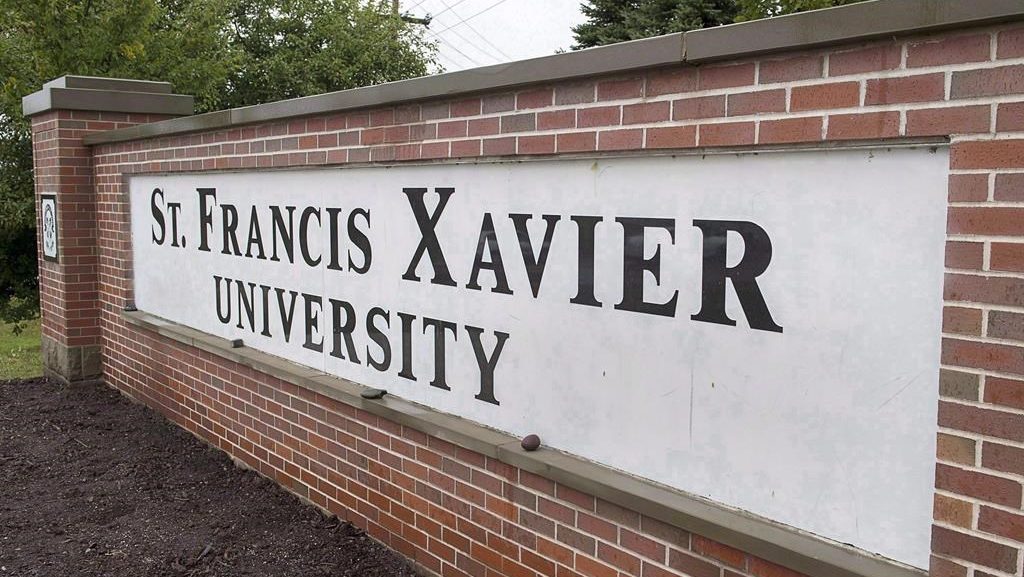
Can Nova Scotia universities survive the red line?

Posted Jul 13, 2025 03:03:19 PM.
Last Updated Jul 14, 2025 11:24:03 AM.
Dalhousie University is facing a $20.6 million budget deficit come the 2025-26 school year. While the number is stark, it’s not the only university in the red. In fact most universities across Atlantic Canada are struggling under budget pressures.
The latest blow to these school’s financial situations was the decision by the federal government in March 2024 to put a cap on international student enrollment.
International student tuition is a major source of revenue for universities as well as their communities, with tuition costs three to four times that of domestic tuition. In Nova Scotia, universities are the second-largest export-generating sector. A loss of revenue from international students will have a sizeable impact on the provincial economy.
A report from the Association of Atlantic Universities found that universities in the region received a total of 2,983 fewer foreign students in 2024-25 compared with the 2023-24 academic year. Nova Scotia universities were the hardest hit, with 2,091 fewer foreign students.
“There’s no doubt that international students have been attracted to our universities in this province and across the region for the past number of years,” Peter Halpin, executive director of the Association of Atlantic Universities, said on a recent episode of the Todd Veinotte Show. “Our universities have worked hard to have a reputation for high-quality education and welcoming communities.”
But that reputation may be becoming sullied by restrictions on enrollment. Halpin says the move has done more than just place financial strain on universities, but it has also done damage to Canada’s international reputation as a brand amongst international students.
“These students have options,” he said. “There are other countries and other post secondary education systems around the world that are more than happy to welcome them to their campuses.”
Halpin said, coupled with an incremental increase in operating grants from the provincial government, which are below the rate of inflation, universities really are toeing the red line.
“When you’re facing challenging financial times, everything comes under review,” Halpin said, which creates anxiety in the surrounding communities.
Facing deficits, there will also be greater institutional competition for domestic students. He does not believe the response would be to rid Nova Scotia of some of its universities. The province has a population of just over one million and has ten universities.
But those universities are what contribute to the economic fabric of the province, he said.
Universities have become a strategic asset in the province, and Halpin said that many students who come from other places actually choose to stay in Nova Scotia, becoming business leaders and the community.
The bottom line is still a lot of uncertainty. But Halpin said he still believes there is light at the end of the tunnel.
“But that’s not to downplay the work required right now to ensure that institutional finances are stable and we continues to attract students,” he said.
– With files from Cassidy McMackon, The Canadian Press