Man facing impaired licence suspension after attending Lunenburg County courthouse
Posted Sep 23, 2026 01:41:37 PM.
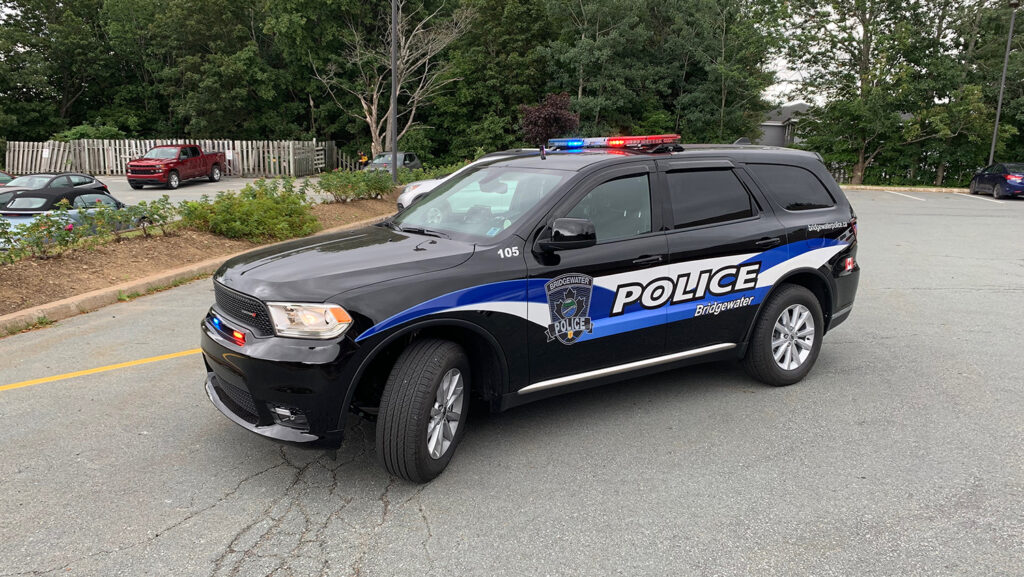
A man is facing a seven-day licence suspension after a person at the courthouse noticed alcohol on his breath, a release reads.
According to Bridgewater Police Service, the man went to attend business at the justice centre on High Street around 3:40 p.m. in late August.
“Court house staff were interacting with him and smelled liquor on his breath,” Deputy Chief of Police, Danny MacPhee of Bridgewater Police Service, said. “They did the right thing, notified us, by the time they notified u.s he was leaving.”
The man left the area, and officials tracked the 2019 Chevrolet Silverado as the vehicle left the courthouse parking lot.
Stopping the vehicle, the officer said that the driver appeared impaired. A screening test was given to the 39-year-old which indicated a “warn” on the device.
“A ‘warn’ is indicative of at least 50 milligrams of alcohol in 100 millilitres of blood in a person’s system but below the legal limit of 80 milligrams of alcohol in 100 millilitres of blood for a licenced driver,” the release reads.
An immediate week-long suspension is given for the person’s first offence, the vehicle is also surrendered and pentalties increase if there are more incidents within a decade.
A ‘cultural shift’ away from impaired driving
MacPhee, a veteran police officer, remembers the days when the battle against drunk driving was when laws in the province were changing. Several high profiles cases in and around the town, including one where high school kids lost their lives in the early 2000s, helped showcase how deadly impaired driving is.
“We had a significant impaired driving problem. We do not have that now,” he told CityNews in an interview. “That’s a cultural shift too. It’s not just a you can’t enforce yourself out of something like that. That has to be pushed by a community and we’ve seen significant changes.”
The deputy says that decades ago the average for the small town was around 300 a year, but today it’s significantly dropped to around 30 — still a problem but not as pervasive.
Across the province, about 22 people die each year as a result of alcohol-related crashes.
Now the force is focusing on chronically impaired drivers, ones that are behind the wheel on a Wednesday afternoon inebriated. However, the problem has changed a bit; now they’re seeing more mixing of drugs and alcohol together.
MacPhee says the town’s police service has learned a lot in the last two decades, and credits a lot of his own learning to a pilot project the province undertook in 2008.
“I was shocked when the province stopped funding that impaired driving unit. I thought it was so valuable,” he said. “The money spent was well worth the life saved and I think it’s something that should be reinstated.”
A press release by the province released April 2008 notes the enforcement unit has had “early success” against impaired drivers.
It first launched in December 2007 and between that period stopped more than 21,300 vehicles, with 45 licence suspensions issued and 38 impaired drivers. It was a one-year pilot project funded by several provincial departments and municipal government in southwest Nova Scotia.
The program was supposed to roll out in northern communities, but MacPhee says it never got off the ground.
He notes that especially with drug use now and people not understanding how certain substances impaired them, an enforcement unit would be a valuable tool for law enforcement again.