Fire officials say new composite building materials could be serious fire risk
Posted Sep 7, 2011 01:45:53 PM.
This article is more than 5 years old.
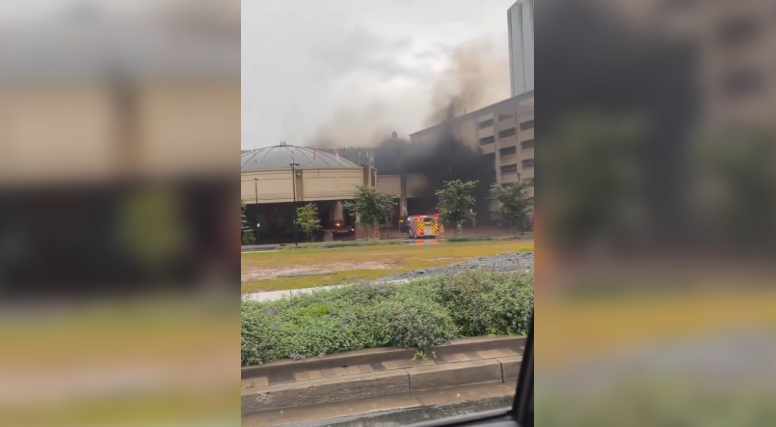
Investigators continue to look into what caused a newly built, two-storey home, assessed at a half-million dollars, to be ravaged by flames in Bedford Monday afternoon.
Fire officials say newer isn’t always better when it comes to fire prevention, because new homes are likely to burn much faster than old ones.
It essentially comes down to the modern materials we use which are often lighter and contain more synthetic and plastic components.
Halifax Fire Public Information Officer Dave Meldrum explains lightweight composite materials with a lot of glue, Styrofoam, plastic and vinyl are perfect fuel for fires.
“If a fire breaches a fire separation inside a building – it gets through the drywall somehow – there is the potential for those materials, when they’re exposed to heat, to burn quickly and or fail more quickly.”
There are also risks when fighting the fires.
Meldrum says, for example, while modern floors are made out materials that are engineered to save trees and save money, they have flaws.
“When they’re subjected top heat they can fail more quickly so it’s a risk to firefighters as we’re crawling over that floor if the engineered joists are getting weak and starting to fail.”
He goes on to say furniture is also a factor, whereas 20 years ago furniture was made with wood and natural fabrics, “…today my furniture, my entertainment centers, my televisions, just about everything is made of plastics and plastics are full of hydrocarbons – essentially oil,” he says. “Those things in our homes, once they burn, they burn a lot hotter than things used to burn 20 or 30 years ago.”
But Meldrum stresses new standards do bring a lot of improvements to fire safety.
“Interior fire separations are better than they were in the past,” he explains. “So you’re drywall and stuff like that. Certainly our heat system and electrical systems are better.
He adds departments have upgraded their equipment and do careful risk assessments at the scene of fires to help battle the changing situations new homes bring to firefighting.