More natural land being protected in parks across Nova Scotia
Posted Nov 5, 2025 01:56:16 PM.
Last Updated Nov 5, 2025 02:00:52 PM.
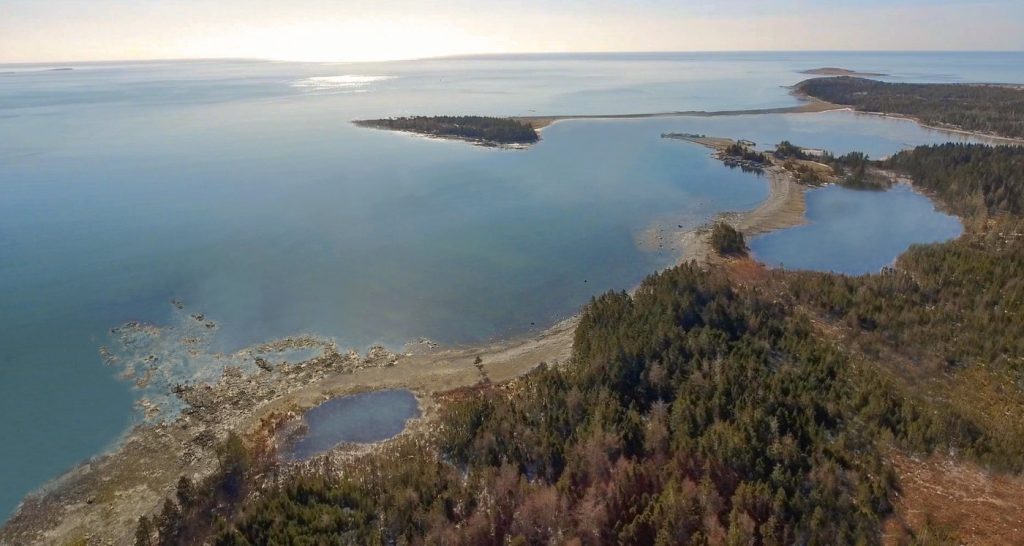
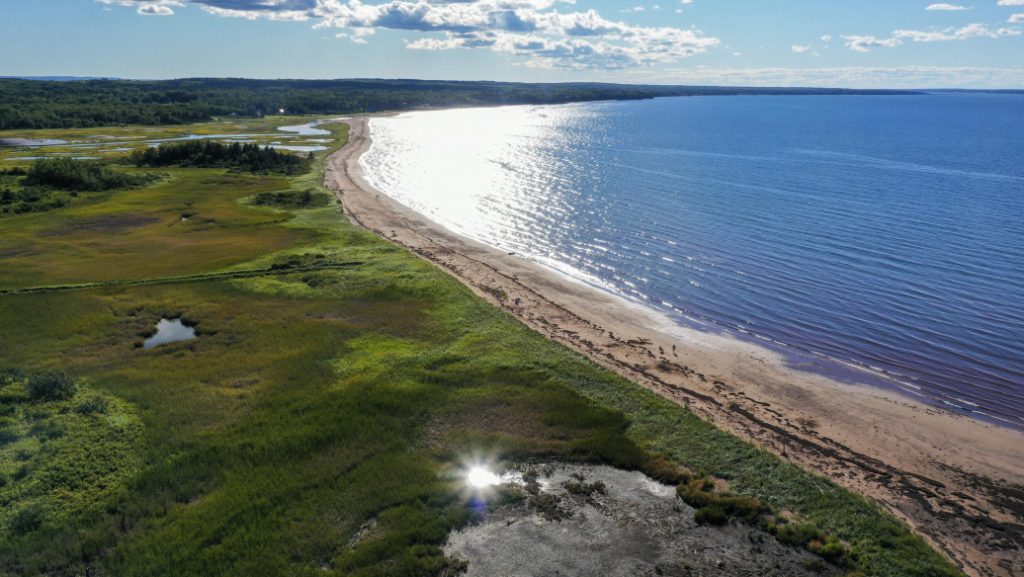
Thousands of acres of forests, beaches and critically important ecosystems across the province are untouchable, according to a new release from the government.
Nova Scotia said that it has designated 1,267 hectares of land in 16 parks and protected areas. The 11 sites under the Provincial Parks Act managed by staff include a new nature reserve, an expanded one and three wilderness areas that have habitats for at-risk species. Some parks have little infrastructure, whereas others have none.
“Nova Scotians and visitors love our provincial parks for their natural beauty and all the opportunities they offer to get out and explore the great outdoors,” newly appointed Kim Masland, Minister of Natural Resources, said. “These newly designated parks will continue to provide spaces for outdoor recreation and education, while also supporting their surrounding communities with jobs and other economic activity.”
The addition of the land bumps up Nova Scotia to 136 parks designated. The goal is to protect 20 per cent of the province’s land and water by 2030.
The beginning of the next decade will be extremely important for climate targets. The province’s largest city, Halifax Regional Municipality, has a number of efforts underway that have a goal of 2030.
In an updated report to council, it says that the municipality is hoping to have net-zero operations. Something that seems further out of reach after corporate emissions from the city rose 3 per cent over the last year. Overall emissions have decreased 13 per cent over the municipality’s baseline.
To get there, councillors heard that HalifACT, a key blueprint, is well on the way to bringing more sustainable innovation to the city.
One of the main successes included the electric bus rollout and the completion of the Ragged Lake Transit Centre expansion, which will help more buses transition to zero-emission. Changing the infrastructure to electric charging, building “one of the largest” rooftop solar panels in the region and bringing online 60 buses this year.
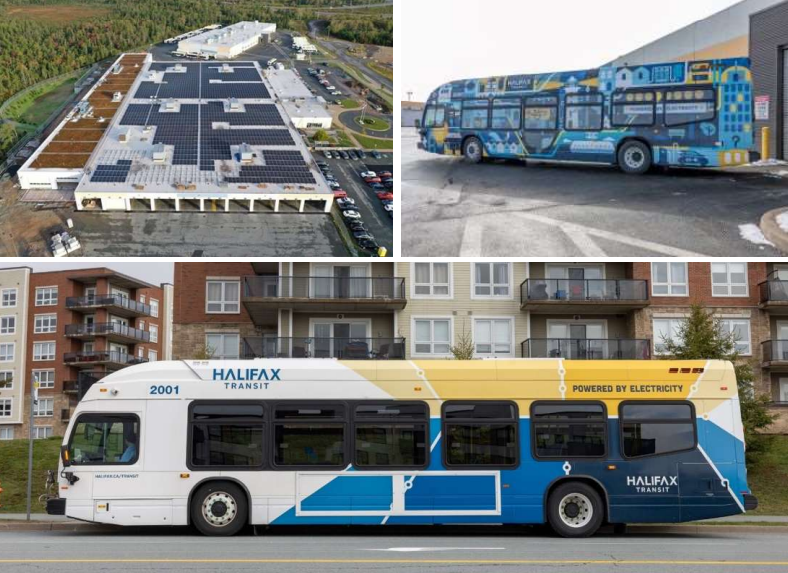
On top of electrifying the region’s transit fleet, the report also notes that 29 public vehicle charges were added this past year. They can be found at parks and community centres and “help to reduce range anxiety and empower residents to transition to lower-carbon transportation.”
The report outlines “significant progress” on reviewing infrastructure standards and implementing practices that help people in times of a natural disaster. One of those achievements includes an egress road cross-section standard.
This was something residents pushed for after wildfires raged in the summer of 2023 and destroyed 200 structures.