Maritimes sign energy understanding to consider regional electricity operator
Posted Jul 23, 2026 11:07:49 AM.
Last Updated Jul 23, 2026 01:34:51 PM.
Three Atlantic provinces are considering the creation of a new Maritime electricity system operator.
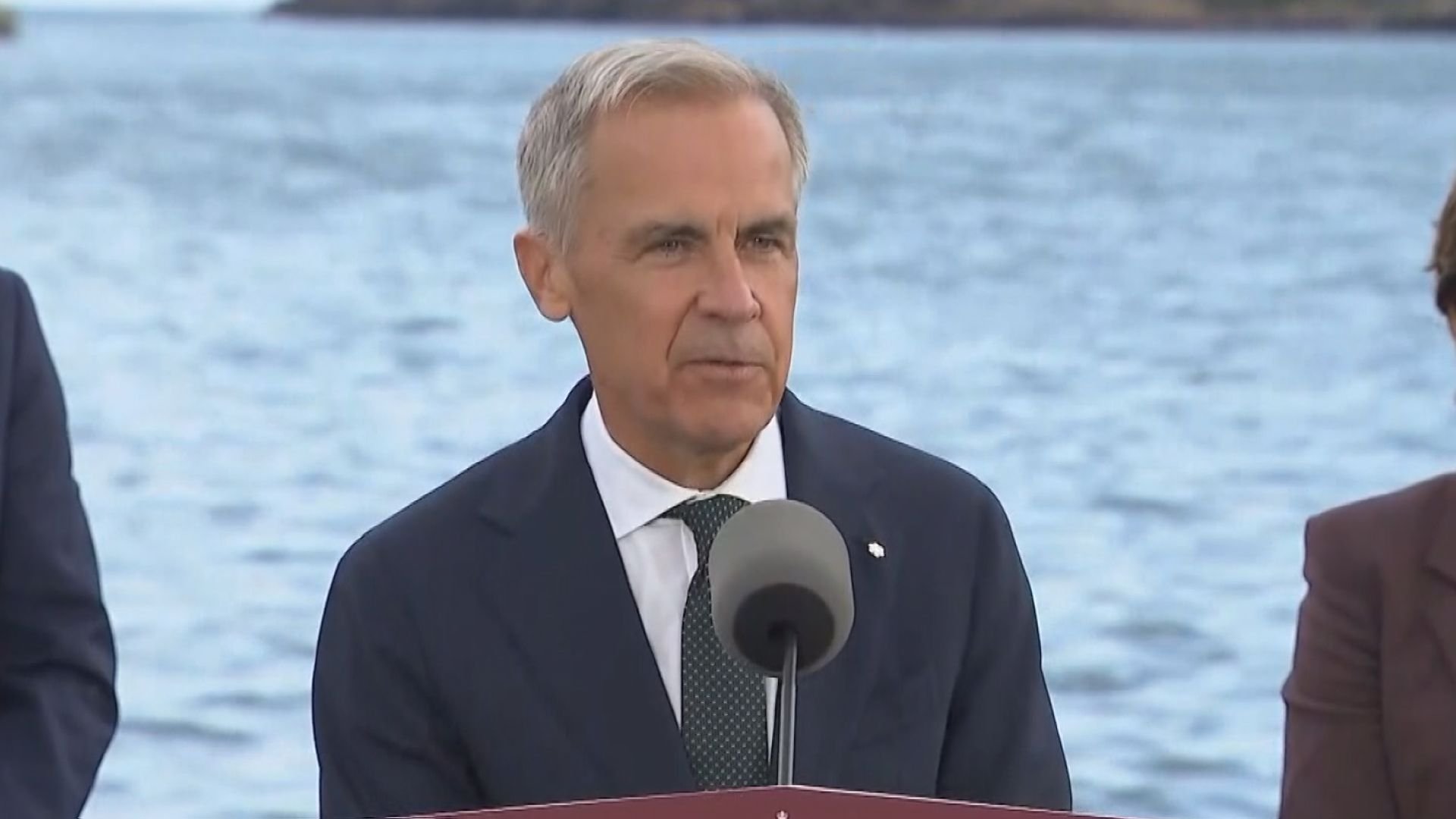
The commitment is part of a broad memorandum of understanding signed by New Brunswick, Nova Scotia and Prince Edward Island. Premiers for the three provinces announced the deal during a meeting of Canada’s premiers in Charlottetown, P.E.I., this week.
“Over the past five years, Nova Scotia has made significant advances in modernizing our electricity system, and we owe it to ratepayers to keep looking ahead at what more can be done,” Tim Houston, Premier of Nova Scotia, said in the press release.
The provinces say the deal would help keep energy affordable and ensure the grid remains reliable.
Premier Susan Holt says New Brunswick is well-positioned to help power Canada’s energy future as the power hub of the Maritimes.
“From our leadership in nuclear energy to stronger electricity interties across the region, New Brunswick is well positioned to help build a cleaner, more reliable and more resilient electricity system,” she said.
Meanwhile, the federal government announced this morning it’s spending $5.9 million on two new 200-megawatt submarine cables between New Brunswick and P.E.I.
Recommendation backed by environmental group
The Ecology Action Centre (EAC) released a report on Thursday with a plan on how Atlantic provinces could implement a coordinated power grid.
“As Atlantic Canadians, we take pride in our willingness to help our friends and neighbours when the power goes out,” said Thomas Arnason McNeil, senior energy coordinator with the EAC. “But when it comes to planning and operation of our power grid, our decision-makers have put up barriers to trade and collaboration between provinces. We need to start helping each other during emergencies and working together to make sure our electricity is reliable and cheap.”
The report states Atlantic Canada would not be “starting from scratch,” as the models will follow those that exist in New England, the central United States and California.
The report, produced by Dusky Energy + Climate Partners, offers recommendations for implementing the creation of a coordinated power grid, which would help improve reliability, lower costs and increase renewable energy integration.
McNeil said that Atlantic Canada has fallen behind due to the provinces’ unwillingness to work together, meaning they have less power reliability and higher electric costs.
With files from CityNews’ Emma Amodio and The Canadian Press.